Looking for a Shorter Overview?
AI Summary
Key Moments
Specific Guest Review Types
Eight distinct review categories provide targeted insights for varied traveler needs.Value of Detail and Honesty
Reviews with specific details and honest trade-offs carry more persuasive power than generic praise.Using Tags and Widgets
Apply Bragly tags and appropriate widgets to display relevant reviews near decision points on your website.Building a Sustainable Review Pipeline
Tailor review collection and publication to guest priorities for accurate, useful, and updated feedback content.It's 11 p.m., and a traveler has your hotel open beside two alternatives. They're skimming dozens of five-star ratings, but every comment sounds interchangeable: lovely hotel, great service, would recommend. Your rooms look appealing. Your rates are competitive. Yet nothing in those reviews explains why they should choose you.
Then they notice a guest describing a quiet courtyard-facing room, a receptionist who arranged breakfast before an early departure, or a crib that was ready on arrival. Those details give the traveler something useful to compare. The review that gets read is the one that sounds like a real stay, including the small trade-offs that polished marketing copy tends to leave out.
The stakes aren't theoretical. In a 2019 experimental hotel-booking study published by Springer, 90% of respondents who read previous guest reviews said those reviews affected their booking decision. For a hotel marketer, the practical lesson is to collect descriptions of what happened, not requests for more enthusiastic adjectives.


If you're searching for good hotel reviews examples, use the samples below as models for specificity, not scripts for guests to publish. Each is illustrative, not a real testimonial. Copy the collection prompts, let guests answer honestly, and pair the resulting reviews with the page where that detail helps someone decide.
1. Detailed Room Cleanliness and Comfort Review
A room review should help a hesitant guest picture settling in, unpacking, and sleeping comfortably. Fresh linens, bathroom condition, mattress firmness, and room orientation say more than a blanket claim that everything was perfect.

Illustrative review
The bathroom was spotless, the linens felt fresh, and the pillows offered enough support without being hard. Our courtyard-facing room stayed quiet after we went to bed. The room was compact, but we had space to open our luggage.
Why the wording persuades: The guest describes observable conditions and a personal comfort preference. The courtyard detail gives light sleepers something actionable, while the comment about space sets a realistic expectation.
Don't turn that subjective experience into a property-wide guarantee. A guest sleeping well in a courtyard room doesn't prove that every street-facing room is equally quiet.
Collect room details, then match the room
Copy-ready prompt: What did you notice about the room's cleanliness, bedding, bathroom, or noise level? Please mention your room type or orientation if you remember it, and anything that could've been better.
- Bragly tag: Use
Room Comfort, with a separateCleanlinesstag when appropriate. - Widget pairing: Put a grid of relevant reviews beside room photographs and amenities on the matching room-type page.
- This week's move: Review existing comments for bedding, bathroom, and noise references. Use Bragly's AI summaries to identify recurring attributes, then verify the original wording before publishing excerpts.
For a compact city hotel, a truthful comment about comfortable sleep and usable luggage space is more helpful than borrowing praise about spacious suites.
2. Named Staff Recognition Review
Illustrative review
Maria at reception helped us arrange a late checkout so we could change before our evening flight. She explained what was available without promising anything before checking. When we returned from breakfast, she remembered our request and had an answer ready.
This is stronger than calling the staff wonderful. It identifies a person, a practical problem, and a helpful action without suggesting that late checkout is guaranteed.
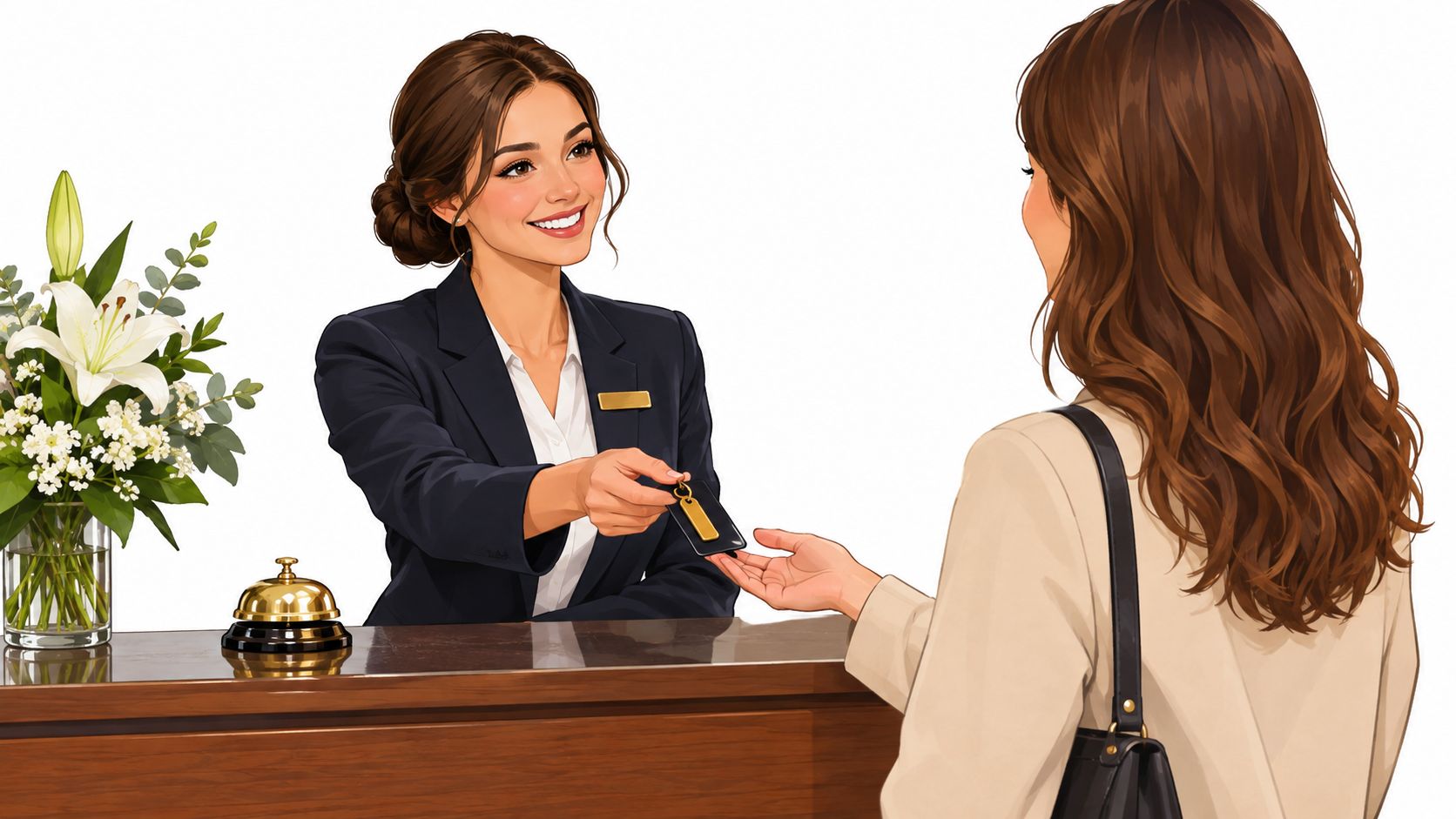
Named recognition gives your service promise a human face. It also provides a useful way to explain why small hotels feel more personal without relying on vague claims about hospitality.
Recognize the action, not just the employee
Copy-ready prompt: Did anyone on our team make your stay easier or more memorable? If you'd like, share their first name or role and describe what they did.
Use a Staff Recognition Bragly tag and a carousel on your About or Team page. For a homepage ribbon, choose a short excerpt that retains the helpful action rather than displaying only the employee's name.
Practical rule: A staff name adds context. The action explains why the praise matters.
For a boutique hotel, pair a guest's account with an approved staff photograph in a Team Spotlight. Ask the employee before publishing additional personal details, and don't turn recognition into a competition to solicit mentions.
This week, share a relevant review in your team briefing and explain the behavior worth repeating. Bragly's customer testimonial examples can also help you distinguish a useful service story from a flattering but empty endorsement.
3. Location and Neighborhood Convenience Review
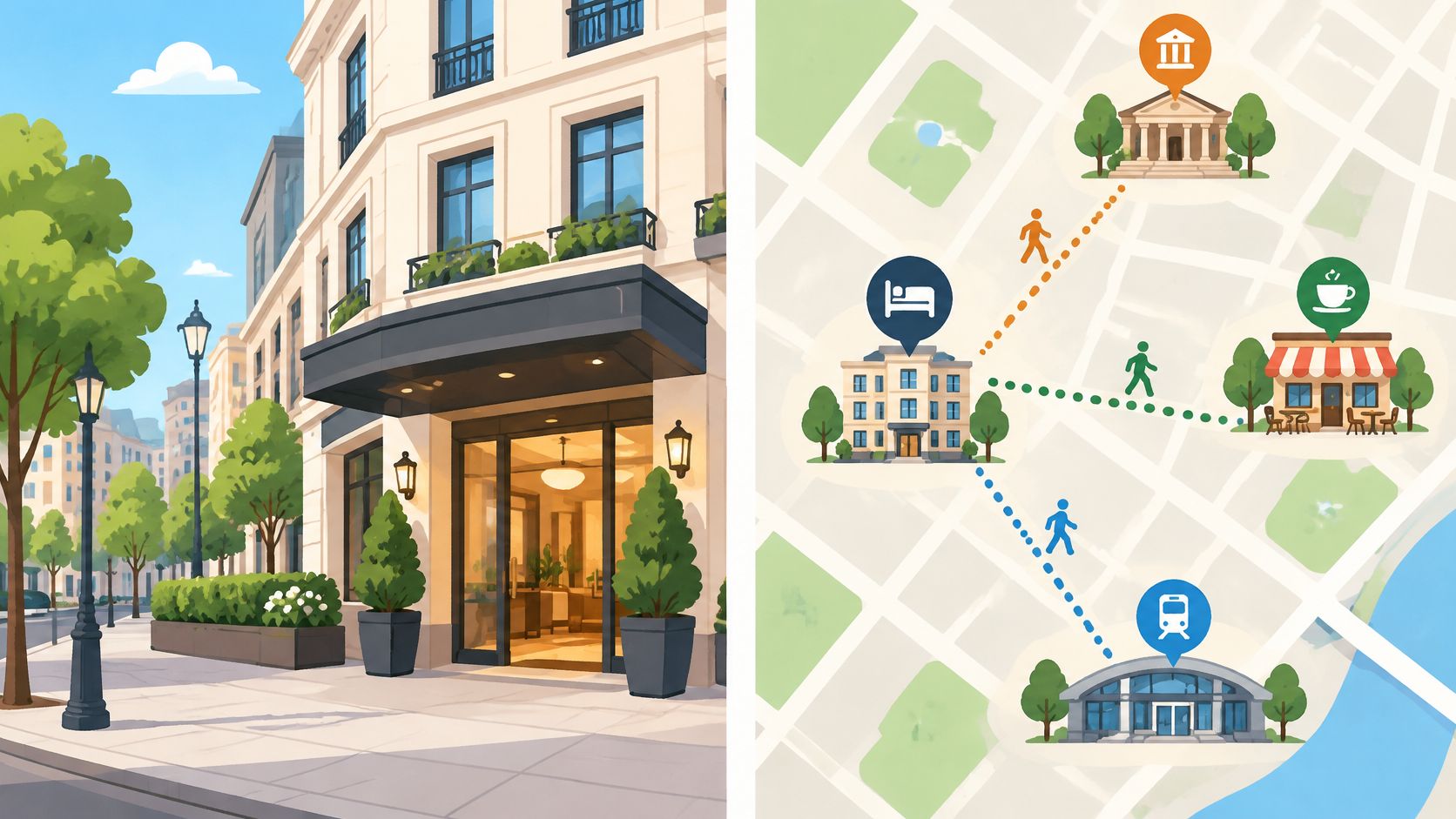
Convenient for whom? A location that suits restaurant-hopping couples may frustrate guests arriving with luggage or needing step-free access. Useful location reviews describe the journey rather than merely praising the address.
Illustrative review
We walked to the museum and found plenty of cafés around the hotel. The station entrance was easy to find, although the route we used involved stairs. Our street-facing room picked up evening restaurant noise, so we'd request the courtyard next time.
Why it works: The guest identifies destinations, an access limitation, and a room-selection trade-off. That helps a prospective guest decide whether the location fits their itinerary and mobility needs.
A map can show proximity. It won't explain how a guest experienced the route, the surrounding streets, or the evening atmosphere.
Place the review beside the route
Copy-ready prompt: Where did you travel from the hotel, and how did you get there? Please mention anything useful about walking routes, transit, parking, noise, or access.
Build the display around a Location tag and a grid widget on your Location or Area Guide page. Put museum-related comments beside the sightseeing section and arrival-related comments beside transport information.
For a city hotel near a station, feature a verified guest account alongside clear luggage and step-free arrival directions. Don't use one guest's route as proof that all station entrances are accessible.
This week, review location complaints and check whether your website explains the issue clearly. If guests repeatedly struggle to find the entrance, update the arrival email and signage rather than trying to bury the complaint under positive excerpts.
4. Value-for-Money Review
Value isn't another word for cheap. A persuasive value review explains what the guest received, what was included, and which compromises felt reasonable.
Illustrative review
Breakfast was included in our package, and having it at the hotel made mornings easier. The room wasn't luxurious, but it was clean, the shower worked well, and we could walk to dinner. For the stay we wanted, it felt like money well spent.
The wording links satisfaction to tangible inclusions. It also identifies the guest's priorities, so a traveler seeking luxury won't mistake practical value for a premium experience.

Research summarized by the American Marketing Association found that a 1% improvement in a hotel's own sentiment score produced a 0.38% increase in bookings at the average price across the upscale hotels studied. That isn't a forecast for your property, but it supports treating guest sentiment as more than decorative copy.
Keep the inclusion accurate
Copy-ready prompt: Which parts of your stay felt worth the price, and were any inclusions especially useful? Please mention anything that didn't meet your expectations.
- Bragly tag: Apply
Value, plus a package-specific tag when the review concerns an inclusion. - Widget pairing: Place a ribbon or badge with a linked review excerpt beside the relevant package or booking section.
- This week's move: Check that every displayed inclusion still matches the offer. Then test the page with and without the value excerpt while keeping other major elements consistent.
A useful five-star review explains the experience behind the score. Don't present package-specific breakfast praise beside a room-only rate without clarifying the difference.
5. Family-Friendly Stay Review
Parents need operational details, not just photographs of happy children. Sleeping arrangements, crib readiness, dining options, and space around beds help them judge whether a stay will be manageable.
Illustrative review
We traveled with a toddler and a school-age child. The crib we'd requested was ready when we arrived, and we could still move around the room with it open. Breakfast had familiar options for the children, and the team helped us find a quieter table.
Why the wording persuades: The children's age groups make the experience relatable without exposing identifying details. The crib and floor-space observations answer questions that an amenities list can leave unresolved.
A parent praising the pool doesn't establish that it's safe for every child. Keep supervision requirements, pool rules, and facility information separate from guest opinion.
Ask about the family's routine
Copy-ready prompt: What helped or complicated your family's stay? If you're comfortable, mention your children's age groups and describe the room setup, meals, or facilities you used.
For a resort, collect feedback about the facilities guests really used. For a city hotel, prioritize bedtime, luggage space, room configuration, and convenient meals rather than trying to imitate resort messaging.
- Bragly tag: Organize suitable comments under
Families. - Widget pairing: Use a carousel on your family-stays landing page, with room-specific reviews close to family-room details.
- This week's move: Ask your reservations team which family questions recur, then add the most useful follow-up to your collection form.
Ask for age groups, not children's names. Families need context, not another family's private information.
If a family voluntarily supplies video feedback, obtain permission before publishing it in a video highlight. Text is perfectly adequate when it answers the booking question clearly.
6. Business Traveler Efficiency Review
A business guest doesn't need a review that merely lists Wi-Fi and a desk. They need to know whether those facilities supported the work they came to do.
Illustrative review
I used the room Wi-Fi for client video calls without interruptions during my stay. The desk had space for my laptop and notes, with an outlet within reach. Reception stored my luggage before the room was ready, which let me leave for my meeting without carrying it.
Why it works: The guest names an actual task, describes the workspace, and explains an arrival benefit. The wording doesn't claim a measured connection speed or promise early room access.
That distinction matters. A successful video call is evidence of that guest's experience, not a technical guarantee for every device, room, or busy period.
Separate room features from work outcomes
Copy-ready prompt: What work tasks did you need to complete during your stay, and how well did the room, connection, and arrival arrangements support them? Please mention any limitations.
Use a Business Travel Bragly tag and a grid widget on your corporate-travel or meetings page. Choose concise accounts of work outcomes for sales materials, and preserve the original context when quoting them.
For an airport hotel, the most useful review might concern luggage storage and reliable checkout rather than a large workspace. Match the evidence to your actual business guest.
This week, compare displayed technology praise against current feedback. Use Bragly's auto-sync to bring in new reviews from connected sources, then inspect the relevant comments and analytics rather than assuming that syncing alone keeps your selection accurate.
Retire excerpts about equipment or services you've removed. If connectivity complaints recur, send them to the person responsible for the network before refreshing the marketing copy.
7. Special Occasion or Romantic Getaway Review
Celebration reviews work when they describe how the stay felt and what created that feeling. A generic statement about romance gives couples little guidance about privacy, atmosphere, or package expectations.
Illustrative review
We booked the anniversary package and arrived to find the flowers we'd arranged already in the room. The team confirmed our dinner plans discreetly, and our garden-facing room felt peaceful. We appreciated the thoughtful setup without feeling that the evening had been planned for us.
This account distinguishes a booked inclusion from a surprise gift. It also describes a service style that will appeal to couples who want attention without intrusion.
Atmosphere deserves concrete language. In Expedia Group's 2024 Hotels.com travel-trends report, more than 90% of travelers considered a hotel's vibe important when booking, based on a global survey of travelers.
Collect the occasion without scripting the emotion
Copy-ready prompt: Were you celebrating an occasion? If you'd like to share, what details shaped the experience, and which touches were part of your booking or arranged separately?
Add an optional occasion field to your collection form. Don't require guests to disclose personal milestones or a companion's identity to leave feedback.
- Bragly tag: Use
Celebrations, with an additional package tag where relevant. - Widget pairing: Place a carousel on the romance or package page. Choose a video highlight when guests have supplied suitable video and publication permission.
- This week's move: Check celebration excerpts against package descriptions so paid extras don't appear to be standard complimentary amenities.
For a garden hotel, a calm-room story may suit the romance page better than a dramatic upgrade story. Publish what guests can reasonably use to choose their stay, not an exceptional gesture that creates an unintended promise.
8. Service Recovery Turned Positive Review
A credible recovery story keeps the original problem visible. If the complaint disappears and only praise remains, prospective guests lose the context that makes the review useful.
Illustrative review
Our street-facing room was noisier than we expected. After we contacted reception, the team explained the available options and moved us to a quieter room. The interruption was frustrating, but they handled it respectfully and checked that the replacement worked for us.
Why the wording persuades: The guest explains the problem, the team's response, and the outcome without suggesting the problem never happened. Readers can weigh the room limitation alongside the hotel's accountability.
A hospitality study published in the International Journal of Hospitality Management associated prompt, detailed, review-specific management responses with better subsequent financial outcomes. Use that principle in your reply: address the specific issue and explain relevant corrective action, rather than echoing the guest's praise.
Show the resolution without promising compensation
Copy-ready prompt: If something went wrong, what happened after you raised it with our team? Please describe what was resolved and anything that remained disappointing.
Tag these reviews Service Recovery in Bragly. Place them in a carousel or review-quote widget on a guest-service page, and keep the problem and resolution together in each excerpt. A short quote that removes the complaint can make the response seem less credible.
Keep the problem in view: The persuasive detail is that the team took responsibility, not that the guest received something free.
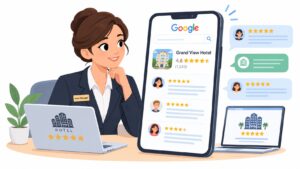
This week, assign an owner to incoming complaints and set a target for public replies. Explain only corrective actions the hotel has taken, and keep reservation details private. Review recovery themes regularly to spot helpful interventions and recurring failures. For practical guidance on managing authentic feedback and responses, read this guide to hotel reviews on Google.
Review Types at a Glance
Use this table to match each review type with a collection tag and a page-ready widget. Tags follow the naming used in the related examples.
| Item | Best For | Suggested Bragly Tag | Recommended Widget |
|---|---|---|---|
| Detailed Room Cleanliness and Comfort Review | Reassuring guests about room quality | Room Comfort | Grid or carousel |
| Named Staff Recognition Review | Showcasing personal service and team culture | Staff Recognition | Badge or ribbon |
| Location and Neighborhood Convenience Review | Attracting guests who prioritize nearby attractions and transit | Location | Grid |
| Value-for-Money Review | Addressing price concerns and highlighting inclusions | Value | Badge or ribbon |
| Family-Friendly Stay Review | Helping families assess whether a hotel suits their needs | Families | Video highlight or carousel |
| Business Traveler Efficiency Review | Attracting business and corporate travelers | Business Travel | Grid |
| Special Occasion or Romantic Getaway Review | Promoting romantic stays and celebration packages | Celebrations | Video highlight |
| Service Recovery Turned Positive Review | Demonstrating accountability and effective problem-solving | Service Recovery | Grid |
Build a Review Pipeline That Keeps Producing These Examples
The common pattern is specific detail, relevant context, and an honest account of what happened. Named people make service tangible. Room descriptions help guests assess fit. Recovery stories show how your team responds when the stay doesn't go to plan.
You don't need every review type on every page. A family-room visitor needs evidence about sleeping arrangements and practical comfort, while a corporate buyer needs evidence about work and arrival efficiency. Putting the same generic carousel everywhere wastes that distinction.
Start with the guests you most want to serve
Choose two review types that match your highest-value guests and the experience your hotel can reliably deliver. For a city property, that might mean business efficiency and location. For a leisure hotel, family stays and room comfort may be more relevant.
Then build a manageable workflow:
- Update collection: Add a targeted, open-ended follow-up question for each chosen review type. Invite criticism as well as praise.
- Organize incoming feedback: Tag reviews in Bragly by guest need and experience theme. Keep package and room context attached where it matters.
- Publish at the decision point: Place the matching widget beside the room, package, location, or corporate-travel information the guest is evaluating.
- Maintain accuracy: Check that excerpts still describe current services, and route recurring complaints to an operational owner.
Keep feedback collection and public-review publication distinct. A guest-survey program documented in this hotel survey guide increased survey response conversion from 24.4% to 30.8% after its initial improvements. Your own measurement should similarly distinguish delivery, completion, and public publication rather than treating them as the same action.
Preserve the voice that makes reviews useful
Don't send guests sample praise to paste into a platform. Send a question that helps them remember their stay, then let them choose their words and rating. If you shorten an excerpt, preserve its meaning, limitations, and relevant disclosures.
Keep the reviewer attribution, source, and date where available. If a stay involved an incentive, complimentary arrangement, or upgrade, retain relevant disclosure rather than polishing it away.
Finally, use review themes to improve the experience, not just the website. If guests repeatedly praise a clear arrival message, standardize it. If they repeatedly mention an uncomfortable workspace, fix it before asking for more business-travel testimonials.
The practical starting point is small: choose your guest priorities, revise the prompts, and publish relevant evidence on the pages those guests use. A useful review pipeline connects what your team delivers with what the next traveler needs to know.
Bragly offers review collection forms, tagging, connected-source syncing, and no-code widgets for displaying guest feedback across your website. Visit Bragly to organize your hotel's reviews and place relevant room, service, and traveler-specific stories beside the details guests use to book.