
Looking for a Shorter Overview?
AI Summary
Key Moments
Specificity and Relevance in Reviews
Effective reviews must be specific, believable, and relevant to answer the buyer’s immediate questions.Eight Distinct Review Types
Using outcome testimonials, before-and-after stories, videos, verified product reviews, photos, recovery reviews, role-specific testimonials, and switch reviews helps address varied buyer needs.Organized Collection and Placement
Tagging and placing reviews by buyer concern and page context enhances their impact, ensuring authenticity and readability.Compliance and Authenticity Standards
Reviews must follow FTC rules and platform policies, avoiding fake entries or deceptive incentives to maintain credibility.A visitor lands on your pricing page, scans the plans, and scrolls past a wall of five-star ratings. Every review says some version of excellent service. None explains what changed, how setup went, or whether the product suits a business like theirs. They leave without clicking.
You probably have better evidence somewhere. There's a detailed customer email, a useful Google review, a video buried in a shared folder, and a product review your team never added to the website. The problem isn't necessarily a shortage of praise. It's that your strongest evidence isn't next to the question it answers.
Great customer reviews are specific, believable, and relevant to the buyer's immediate concern. A pricing visitor needs evidence of value. Someone considering a migration needs to understand the work involved. A cautious shopper wants to know what happens if something goes wrong.
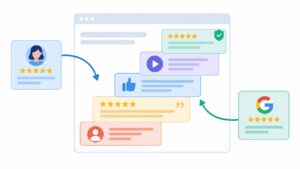

The eight review types below each include a collection prompt, a customer-led template, and a placement or widget recommendation. Treat the templates as optional writing aids, not scripts customers must repeat. Keep their language, confirm their claims, and publish only experiences they had.
1. Outcome-Specific Testimonial with Measurable Results
A measurable outcome gives buyers something more useful than enthusiasm. It tells them what improved and gives them context for deciding whether that improvement matters to their business.
Say an agency customer reports better lead-form conversion after replacing scattered testimonials with a relevant review grid. Before publishing, ask which pages changed, what period they compared, and whether they also changed the offer or traffic source. A customer's result isn't proof that your product caused every improvement.

Collect the Result and Its Context
Collection prompt: What changed after using us, and by how much? How did you measure that change?
Optional template: We used [product or service] for [task]. Over [measurement period], [metric] changed from [confirmed baseline] to [confirmed result]. The most useful improvement was [specific benefit].
An e-commerce founder might instead describe spending less time updating product pages because reviews no longer need to be copied manually. If they can't verify the time saved, publish the workflow improvement without adding a number.
- Best placement: Put the approved outcome beside pricing, a booking form, or the relevant call to action.
- Best widget: Use a static testimonial card or compact grid so readers don't have to wait for a carousel.
- Approval record: Save the original response, supporting context, and permission to publish.
For longer client success stories, preserve the baseline, implementation, and limitations. A short widget should link to that fuller explanation rather than strip away essential qualifications.
2. Before-and-After Transformation Review
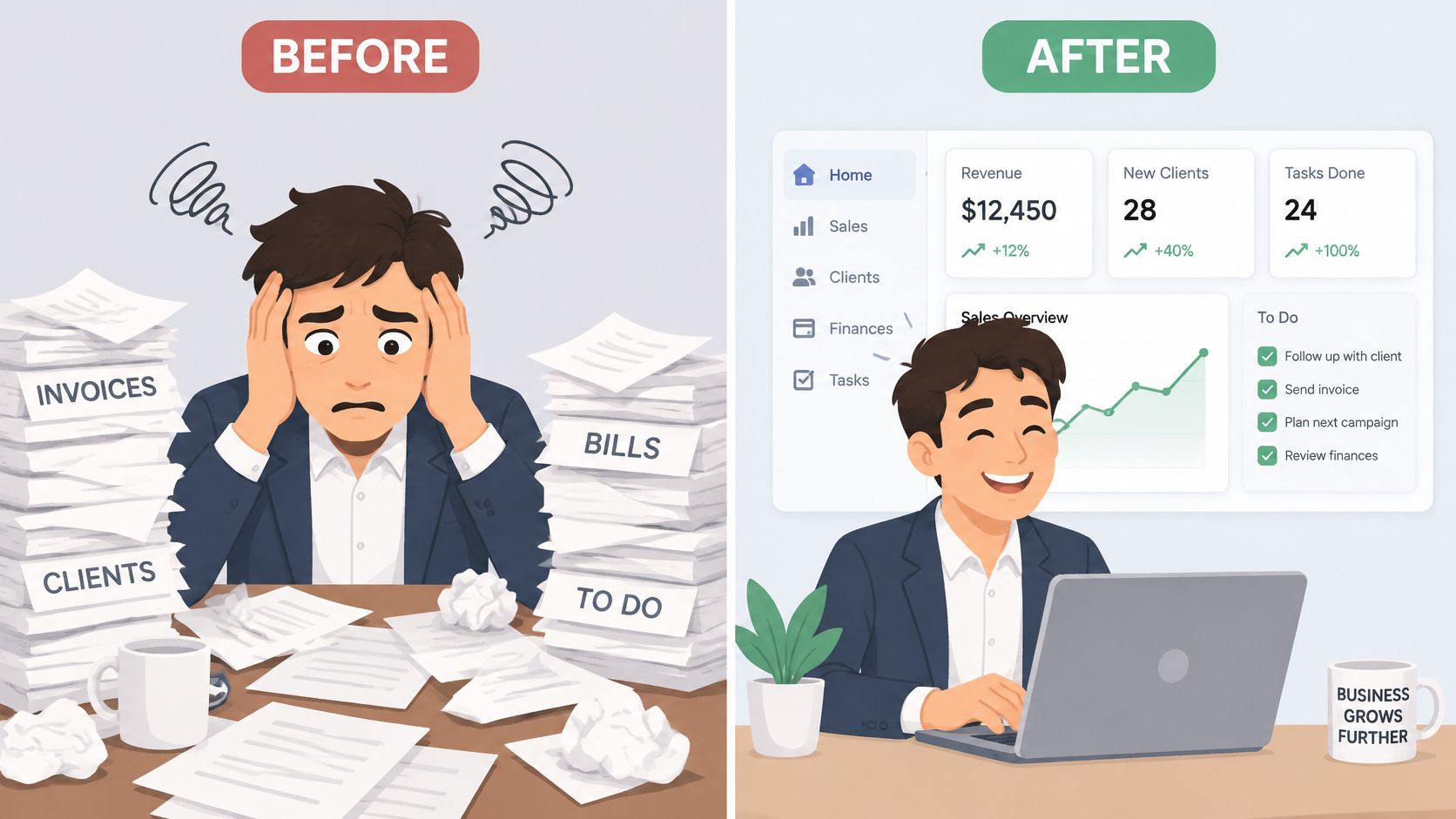
Your customer used to copy reviews from emails into a spreadsheet, chase permission in another inbox, and send website edits to a developer. Now they approve feedback in a central workspace and update the relevant page without rebuilding it.
That's a useful transformation story because the buyer can recognize the starting point. The strongest contrast is usually a change in everyday work, not a sweeping claim that everything became easier.
Keep the Middle of the Story
Ask: What was hard before? What did you change? What's different now? What still takes effort?
Offer this optional structure: Before [product or service], we handled [task] by [old process]. After [specific implementation], we can now [new process or outcome]. We still need to [remaining responsibility].
Don't remove the implementation step. A developer describing a site that lacked social proof should explain where they embedded the widgets and how they selected reviews, not just announce that the site looks better.
Keep the part where the customer explains what they had to do. Buyers need to understand the work, not just the destination.
Use a short excerpt in a side-by-side story card near a workflow or implementation section. Keep the full account on a dedicated customer page, with a customer or business photo when permission allows.
The trade-off is length. Transformation reviews need enough detail to make the change understandable, but a homepage widget doesn't need the entire migration history. Preserve the starting problem and resulting change in the excerpt, then offer the full story nearby.
3. Video Testimonial Highlight
A consultant's prospect may understand the service and still hesitate to book. A customer explaining how the engagement worked can address that hesitation more naturally than another paragraph of sales copy.
Video lets buyers hear tone and see the speaker. It doesn't automatically prove authenticity, though. Keep the customer's identity, relationship, and actual experience clear, and don't use heavy editing to manufacture certainty.

Ask for an Answer, Not a Performance
Collection prompt: What problem did we solve, and what part of the experience would you want another buyer to understand?
Optional speaking outline: My role is [role]. We needed help with [problem]. During [specific stage], the team helped us [action]. What changed was [outcome], and buyers should know [practical detail].
A SaaS founder could describe how onboarding became easier after replacing scattered instructions with a clear setup process. A consulting client could explain how deliverables were agreed and reviewed. Neither needs to memorize a polished endorsement.
- Recording setup: Use a phone or webcam at eye level, face a window, and choose a quiet room.
- Editing boundary: Remove dead space, but don't join separate answers into a claim the customer never made.
- Display format: Use a click-to-play video highlight with captions, a descriptive thumbnail, and a readable text summary.
Place the clip above pricing or beside the service it discusses. Avoid autoplay with sound. This client testimonial video guide can help you plan the recording without turning the customer into a spokesperson reading your copy.
4. Verified Detailed Product Review
A detailed product review helps a buyer judge fit. Setup steps, daily tasks, support interactions, and limitations tell them more than a glowing adjective ever could.
Verification must describe a real check. If you matched the reviewer to an order, say so. If you confirmed an active customer account but not a purchase, don't label the review a verified purchase. Keep private account and transaction details out of the public widget.
Ask About Actual Use
Use this collection prompt: What do you use the product for? How did setup go? Which feature helps most, and where does it fall short?
An optional template is: I use [product] for [specific task]. Setup involved [actual steps]. [Feature] helps me [practical benefit], although [limitation] means I still [workaround].
Say a store manager likes the setup process but finds the reporting too limited for their internal needs. Preserve both points. Northwestern University's Medill Spiegel Research Center found that purchase likelihood generally peaked at average ratings between 4.0 and 4.7 stars, rather than at a perfect score.
- Placement: Put setup feedback beside onboarding information and feature feedback beside the matching feature.
- Format: Use readable review cards or a topic-filtered grid. Reserve badges and ribbons for brief excerpts.
- Organization: Tag reviews by setup, support, reporting, or pricing, while retaining the original source and date.
Respond publicly when a detailed criticism needs clarification. Explain the limitation plainly rather than arguing with the reviewer. For more on using this format, see why product testimonials are reliable.
5. User-Generated Photo Review
A home goods shopper wants to see the lamp in an ordinary room, not only in a studio. A homeowner hiring a garden specialist wants to see a completed garden alongside the customer's description of the work.
Customer photos provide context that product photography may leave out. They can show scale, finish, installation, and how an item looks among things the buyer already owns.

Request the Image and the Explanation
Send the request after the customer has had a chance to use the product or inspect the completed work: Could you share a photo of the product or finished project, and explain what someone should notice? Please avoid including private information or people who haven't agreed to appear.
Offer this optional caption structure: This is [product or project] in [setting]. We chose it for [reason]. In everyday use, [specific observation].
For a home goods shop, publish room photos beside the matching product reviews. For a local service business, connect each completed-job image to the service performed rather than mixing unrelated work into a gallery.
Permission rule: Ask separately about website and advertising use. A customer uploading an image shouldn't have to guess where it will appear.
Use a grid or mosaic widget with readable captions and images that open at a useful size. Avoid cropping away details that affect a buyer's judgment.
Photo reviews take more moderation than text. Check for visible addresses, children, confidential documents, and unrelated people before publishing. Keep the original file and permission record together, and don't edit defects out of the image.
6. Service Recovery Review
A delayed shipment doesn't become a flawless delivery because your team sent a replacement. A useful service recovery review keeps the original failure visible and explains what your business did next.
This format addresses a practical buyer question: If something goes wrong, will anyone take responsibility? It's especially relevant beside delivery information, support details, and service commitments.
Resolve the Problem Before Requesting Feedback
After completing the remedy, ask: If you're comfortable sharing, how was the issue handled? What helped, and what could we have done better? There's no obligation to change your existing review.
An optional template is: The issue was [problem]. I contacted support through [channel]. The team [specific response], and the outcome was [resolution]. I would still like [remaining improvement].
Say a SaaS customer reports a billing error, then describes the explanation and correction. Publish that sequence without exposing invoice details or presenting the correction as evidence that billing problems never happen.
- Widget format: Use a review-and-response card so the customer's account and your reply remain connected.
- Placement: Show relevant feedback on support, shipping, returns, or help pages.
- Selection: Include ordinary resolutions, not only unusually dramatic rescues.
Google's Maps contribution policy prohibits merchants from discouraging negative reviews, selectively soliciting only positive reviews, or offering benefits in exchange for revising or removing negative feedback.
Never make a refund, replacement, or other remedy conditional on a better rating. If similar complaints keep appearing, fix the underlying process before promoting more recovery stories.
7. Role-Specific Persona Testimonial
An agency owner needs to know how your product works across client accounts. A Shopify store manager cares about product-page maintenance. A plant operations lead may care more about access, handoffs, and reporting than visual customization.
The same feature can matter for different reasons. A role-specific testimonial explains that reason in the customer's own working language, without requiring visitors to translate a generic endorsement into their situation.
Capture the Job Behind the Praise
Collection prompt: What's your role, what task do you handle with our product, and what makes that task easier or harder in your business?
Optional template: As a [role] at a [business type], I'm responsible for [task]. We use [product or service] to [workflow]. The most useful part is [specific benefit], especially when [real constraint].
Say an agency consultant describes organizing approved testimonials for separate client websites. That belongs on an agency landing page. A local business founder who publishes reviews without technical help belongs beside a simple setup explanation.
- Tag at collection: Record role, industry, use case, and relevant company context with the customer's permission.
- Match the page: Display agency feedback on agency pages and store-management feedback on e-commerce pages.
- Choose the widget: Use a compact grid with visible role labels, or a relevant testimonial card beside a role-specific feature.
Don't collect job titles just for decoration. The review should explain a recognizable task or constraint. A prestigious title attached to generic praise is less informative than a clear account from the person who performs the work.
Keep segments broad enough to remain useful. Excessive tagging creates empty widgets and maintenance work without improving relevance.
8. Comparison-Based Switch Review
Switching involves more than choosing a different product. Buyers may need to migrate content, reconnect sources, retrain colleagues, and check that the new setup works.
A switch review becomes persuasive when it explains both why the customer changed and what changing required. Leave vendor attacks out of it. Buyers need a practical reason to move, not another argument about who's best.
Focus on the Workflow Difference
Ask: What made your previous process difficult? Why did you change it? What did migration involve, and what's better or worse now?
Offer this optional structure: Previously, we handled [task] through [type of process]. We switched because [specific constraint]. Moving involved [migration work]. Now we can [outcome], although [remaining trade-off].
Say a store owner previously copied feedback from separate platforms into website pages. After consolidating it, they maintain source connections and approve relevant reviews in a shared workspace. The useful comparison is manual copying versus a connected process, not a named attack on another provider.
A credible switch story includes what the customer gave up, not just what they gained.
Place this review in a why-choose-us section, migration guide, or evaluation page. Use a longer static card or expandable story, because a short rotating quote can hide the implementation details buyers need.
Keep other providers' names and links out of published excerpts. If removing a name changes the reviewer's wording, obtain approval and mark the excerpt appropriately. Don't rewrite the original review.
Watch for outdated claims, too. A customer's historical experience shouldn't become an unsupported statement about another product's current capabilities.
How the Eight Customer Review Types Compare
| Review Type | Best For | Key Strength | Main Drawback | Common Format |
|---|---|---|---|---|
| Outcome-Specific Testimonial with Measurable Results | ROI-focused buyers | Demonstrates a concrete, measurable outcome | Metrics can be hard to verify | Short testimonial with a result and timeframe |
| Before-and-After Transformation Review | Prospects with similar challenges | Makes the customer journey easy to relate to | Longer stories may be skimmed | First-person problem, solution, and result story |
| Video Testimonial Highlight | High-consideration purchases | Conveys authenticity through voice and body language | Takes time to produce and approve | Short customer video with name and role |
| Verified Detailed Product Review | Buyers comparing product features | Provides specific, balanced firsthand insight | Length may discourage full reading | Written review marked as verified |
| User-Generated Photo Review | Visual products and services | Shows the product in a real-life setting | Requires image permission and usable photos | Customer photo or clip with a short caption |
| Service Recovery Review | Buyers concerned about customer support | Shows accountability and effective problem-solving | May draw attention to the original issue | Problem, company response, and positive resolution |
| Role-Specific Persona Testimonial | Targeted industry or job-role audiences | Helps similar prospects recognize their needs | Less relevant outside the target segment | Testimonial featuring the customer's role and industry |
| Comparison-Based Switch Review | Buyers evaluating alternatives | Explains practical reasons to switch | Can seem biased or create brand risks | Customer story comparing the old and new solution |
Turn These Patterns Into a Review Collection System
Great customer reviews share a practical foundation: specific experience, clear attribution, and a close match to the buyer's question. You don't need every format on every page. You need the right evidence where visitors are deciding whether to proceed.
Start this week by adding two prompts to your collection form: ask what changed and how the customer measured it, then ask what was difficult before and what's different now. Make both optional. Customers should be able to describe an honest experience without inventing a metric or forcing their answer into your preferred story.
Organize Before You Publish
Create a review inventory that keeps the original text, source, date, customer permission, and approved excerpt together. Tag responses by review type and buyer concern, then assign the strongest relevant examples to pricing, product, onboarding, support, and audience pages.
- Preserve context: Don't remove a limitation that materially changes the meaning.
- Separate selection from suppression: Label selected website testimonials clearly and retain a path to the original review when available.
- Review operational themes: Route recurring complaints to the person who can fix the underlying issue.
- Check placement: Confirm that widgets remain readable on mobile and don't cover forms or purchase controls.
Authenticity also requires clear boundaries. The FTC's Consumer Reviews and Testimonials Rule prohibits fake reviews, sentiment-conditioned incentives, and certain review-suppression practices. Don't generate customer experiences, hide relevant relationships, or exchange a benefit for praise.
Platform rules need separate attention. If marketplace sales matter to your business, treat getting more reviews on Amazon as a channel-specific process rather than reusing every website collection tactic.
Finally, judge your review system by more than the amount of praise collected. Check whether customers can find relevant evidence, follow its attribution, and understand its limits. Replace vague endorsements with useful detail, keep genuine criticism intact, and update displays when the underlying product or service changes.
Bragly collects, organizes, and displays customer reviews and testimonials through no-code website widgets. Visit Bragly to centralize scattered feedback, tag reviews by buyer concern, and publish the formats that fit your pages.